

When we talk about getting older, it is surprisingly often about what we lose. Our skin becomes less firm, our body changes and some things are not as easy as they used to be. A whole industry is devoted to delaying these changes for as long as possible.
But when did you last ask yourself what is actually better in your life today than at 25?
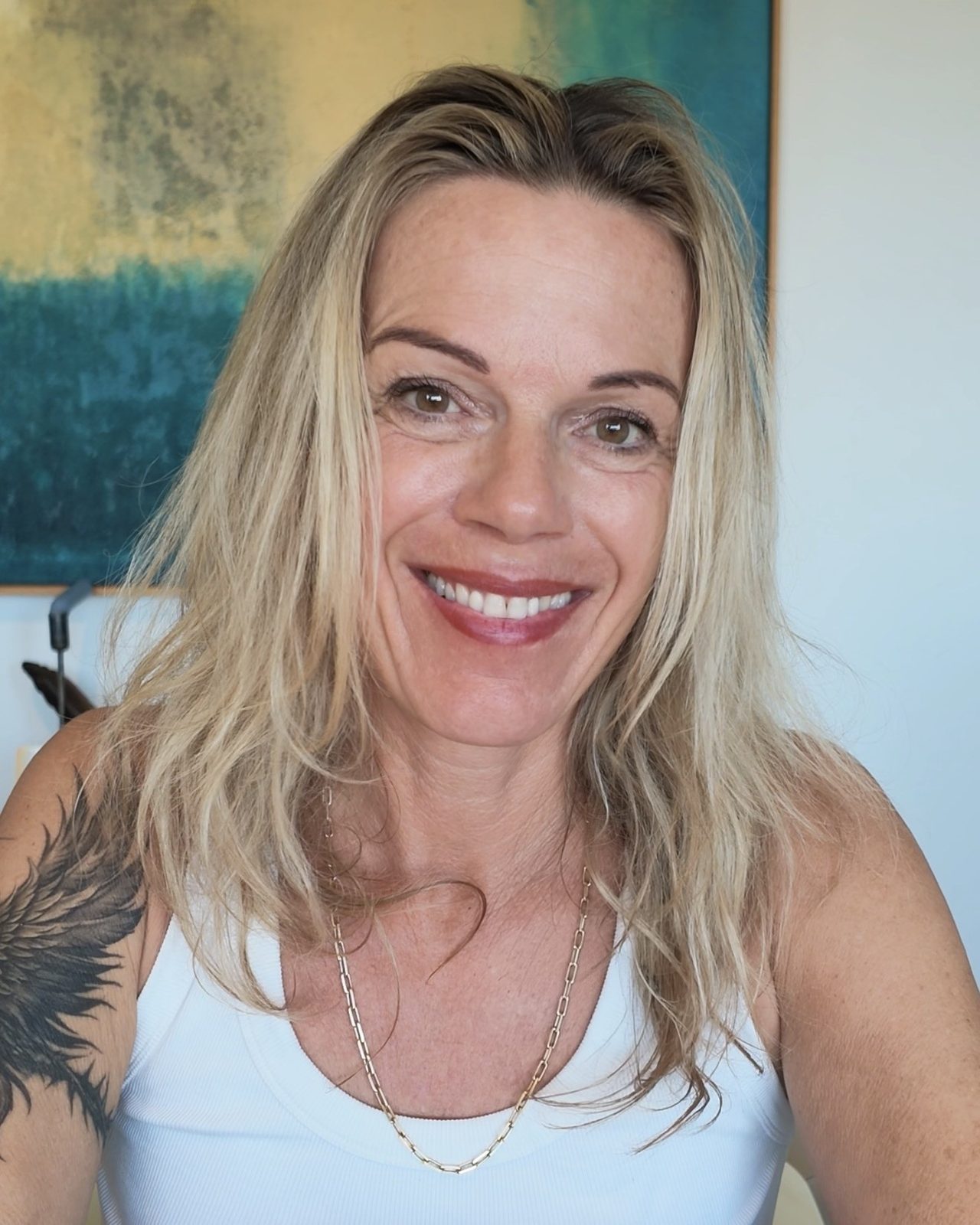
I am 51 today and I approach getting older with great curiosity. After personal crises and cancer, I know how precious our lifetime is and that every single day is a gift.
That is why, for me, getting older is above all one thing: a privilege.
Of course I want to stay healthy, fit and mentally sharp for as long as possible. And I want to enjoy my life today while I do. Because much of what enriches my life today only developed over the years.
And I am not alone in this. Psychological research also shows that the second half of life can bring abilities and opportunities that we often underestimate.
1. Midlife is better than its reputation
Midlife is often described as a time of crisis. We question our decisions, our relationships and sometimes our whole life so far.
But the American psychologist Margie Lachman, who has been researching midlife for decades, paints a more nuanced picture. According to her findings, only about 10 to 20 percent of adults experience a classic midlife crisis.
Doubt and change are part of life, no matter how old we are.
What can change, however, is how we deal with them.
Today I have much more self-confidence than at 25. I know better what I can do and I trust my inner voice. I used to feel more often that I had to get better in order to belong. Today I know that I am allowed to be the way I am.
I still love to keep growing, and at the same time I feel valuable just as I am.
2. Our experience makes us wiser
As we get older, our mental abilities change. Some decline, others keep growing.
Research distinguishes between fluid and crystallised intelligence. While certain abilities, such as processing new information quickly, can decline over the years, our knowledge, our vocabulary and our ability to use experience wisely can keep growing.
Especially at work, this is an important difference.
In my more than 25 years as a coach, for example, I have learned to meet people much more where they are right now.
In the past I may have been more focused on setting change in motion. Today I give the person in front of me the freedom to develop at their own pace. I invite people to discover new perspectives and trust that they will find their own way.
This creates less pressure and often much more lightness.
For me, this is a kind of competence that grows above all through experience.
3. We can change throughout our lives
Over the course of our lives we gather experiences and develop ideas about who we are, what we can do and what we cannot.
Some of these beliefs stay with us for decades without our ever questioning them again.
Yet personality research shows that our development continues at 30, 40 or 50.
One of my most important insights is that I am allowed to be imperfect.
When something turns out differently today than I had imagined, I can sometimes simply smile about it. I am allowed to let go instead of controlling or optimising everything.
My idea of success has changed too.
Today success means being able to look in the mirror in the morning and say: I like this. I stand behind it.
For me it is about living in line with my values and being able to be proud of my decisions.
That is a different kind of success from the one we often look for outside ourselves.
4. Our life experience becomes more valuable
Developmental psychology has an interesting term: generativity. It describes the need to contribute something meaningful, to pass on experience and to take on responsibility.
Especially in the second half of life, the question of what we want to do with our knowledge and experience can become more important.
I also experience my relationships differently today. They have become deeper and more meaningful to me.
Perhaps that is because today I am more aware of how precious shared moments are.
I know how precious health is and how vulnerable we are.
This insight has also changed the way I make decisions. When something really matters to me, I want to tackle it now.
Because no one knows how many years we have left or how long we will be physically able to fulfil certain wishes.
For me this means taking seriously what matters to me, at my own pace.
5. We learn to shape our lifetime more consciously
In her research, Stanford psychologist Laura Carstensen describes how our priorities can change when we become more aware that our lifetime is limited.
Emotionally meaningful relationships and experiences then often become more important.
I can relate to this idea very well from my own life.
Of course there are changes that annoy me too. My body does not always do what I would like. Sometimes my shoulder or my hip hurts, and a planned hike turns into a short walk.
My mental energy is not the same every day either. I used to be able to sink my teeth into a topic like a pit bull. Today I sometimes notice that a siesta does my head much more good.
I try to treat these changes with kindness.
At the same time I actively take care of my health, because I want to keep my body and mind healthy and alive for as long as possible.
And while I take care of the future, I want to enjoy the present to the full.
And I still have many wishes. I want to travel, discover new things, become even more content and relaxed, and have the courage to show myself to the world more and more as I really am.
My ritual for you
What’s better now than when you were 25?
Perhaps you would like to take ten minutes and ask yourself three questions:
- Which qualities and abilities do I value in myself today that I did not have at 25?
- Which ideas about myself have I let go of over the course of my life?
- What would I still like to experience or change in the coming years if I set my age aside completely?
Perhaps you will discover something you have taken for granted until now.
If I could give my 25-year-old self something today, it would be: believe in yourself. Stay calm. Find people who ask you the right questions. And above all: enjoy what you do. Joy is a wonderful guide.
For me, Positive Aging means acknowledging the challenges of getting older and at the same time staying curious about everything life still has in store for us.
Because alongside the question of what was better at 25, there is a second one that is at least as exciting: what is better today?
I share why Positive Aging is so close to my heart on my page About me.
Sources and further reading
- Shanna B. Tiayon (2026): Why Midlife Might Actually Be Awesome, Greater Good Magazine.
- Margie E. Lachman (2026): Primetime: A New Vision for Midlife.
- Laura L. Carstensen (2006): The Influence of a Sense of Time on Human Development, Science.